How the Aletha Rolling Orb Helps Ease Low Back + Hip Tension (Especially in Winter)
The goal of my bodywork is to open pathways for new potential in your physical being. And part of that journey is helping you find tools and practices that support more ease in your everyday body life — not just on the table, but at home too.
Winter has a way of asking a little more from our bodies.
Shorter days, slushy sidewalks, and cold air can make us move more cautiously and brace through our hips and low back without even realizing it. That subtle guarding adds up — often showing up as stiffness through the quadratus lumborum (QL) and the deep hip-flexor region around the iliacus.
One self-care tool I reach for again and again this season is the Aletha Rolling Orb — a therapy ball designed to help you access those deeper tissues in a way that feels kinder, safer, and more effective than hard balls or aggressive rolling.
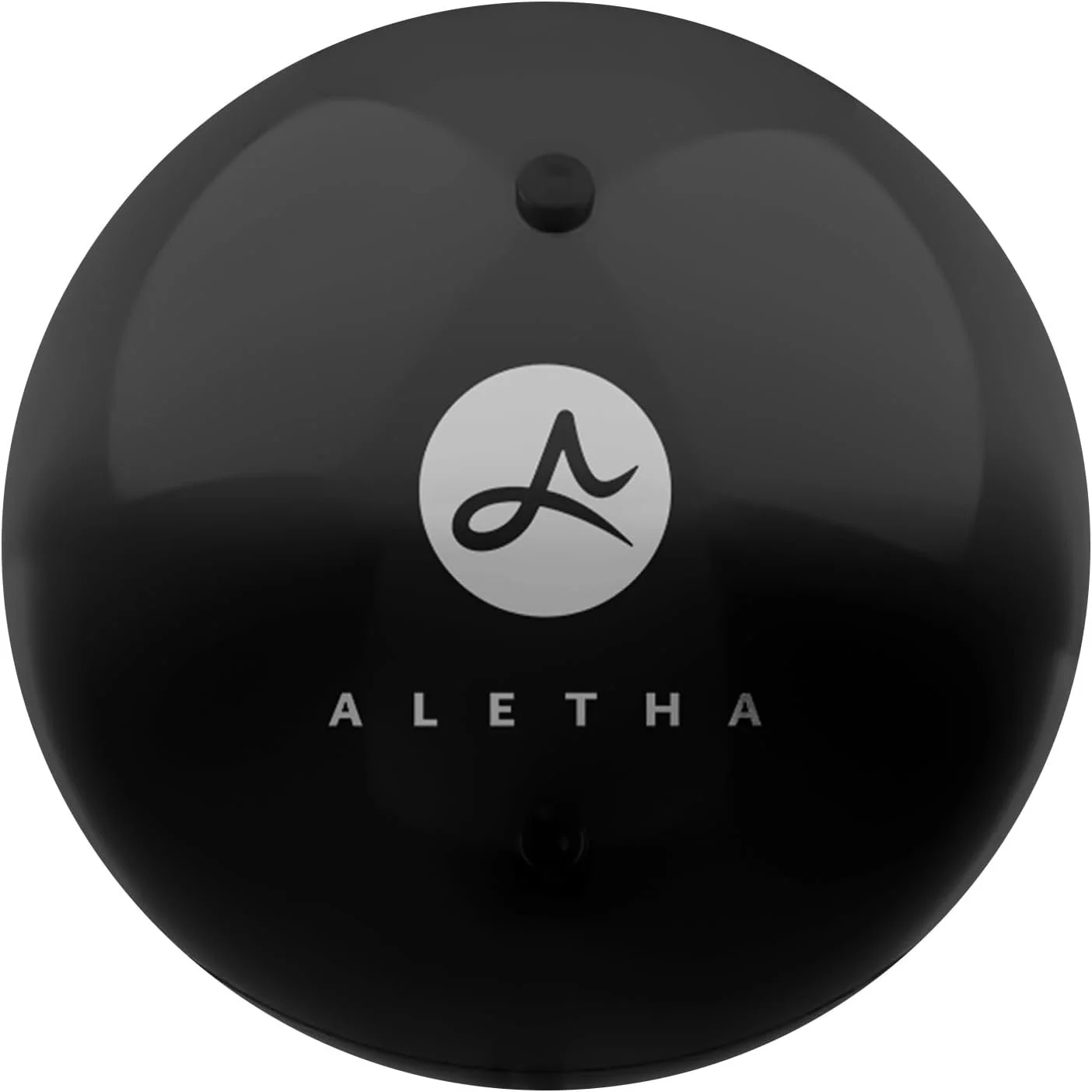
“One of my favorite tools for this season is the Aletha Rolling Orb.
I love it because it gently targets two areas that often contribute to winter stiffness: Quadratus Lumborum & Iliacus muscles.”
Click on the image to purchase yours today!
What Self-Myofascial Release Really Does (And What Research Says)
Tools like the Aletha Orb fall under what bodyworkers and movement specialists call self-myofascial release (SMR). This includes gentle ball or foam-rolling techniques that apply pressure to soft tissue and fascia.
Research shows that SMR can:
Increase short-term range of motion without reducing strength
Reduce the perception of soreness and help tissues feel more pliable
Improve the way your nervous system “lets go” of protective guarding patterns
It’s not magic — and we don’t “break up” fascia with force — but when used with intention, SMR can help your system downshift from bracing into relationship with the tissue beneath. This is especially useful in winter when low-back and hip patterns are more locked on guard.
Why the Aletha Orb Feels Different
Some people use lacrosse or massage balls for release work — and those can be helpful in the right context. But the Aletha Orb has a unique shape and firmness that distributes pressure a bit more broadly. That means you’re less likely to hit a sharp spot and trigger guarding, and more likely to invite your system to relax and notice.
I especially love using it with the:
Quadratus Lumborum (QL) — a deep low-back stabilizer that often spikes into protection when we’re walking more cautiously or bracing against cold.
Iliacus and front-of-hip tissues — deep hip flexors that can contribute to low-back compression and limited hip extension when we sit or brace a lot.
Unlike aggressive rolling, this approach is about listening and softening, not forcing.
How to Use It: Guided Practices
1. QL Softening (Low Back Side Wall)
How it feels: a broad, able-to-breathe-into sensation — not sharp or jabby.
Lie on your back with your knees bent, feet flat.
Slide the Orb under the side of your low back (not on the spine).
Breathe slowly into the side of your ribs and waist for 60–90 seconds.
If it feels okay, add a tiny movement: a gentle pelvic rock or arm reach overhead.
Let your breath be your guide — soft, steady inhalations and longer exhalations invite the nervous system to settle deeper.
2. Iliacus Support (Front of Hip)
Because this region is close to sensitive structures, we go gently:
Option A – Wall Method (gentlest):
Place the Orb between your front hip crease and the wall. Stand and soften into it with breath.
Option B – Floor Method (deeper):
Lying face down, position the Orb just inside the front hip point (not directly on bone). Use slow breath and micro-movements.
60–90 seconds each side is plenty — longer only if your system feels safe and calm.
How This Fits With a Bigger Picture of Support
Self-care tools like the Aletha Orb are not a replacement for hands-on work, but they’re a meaningful complement — especially in winter when tissues tend to tighten reflexively.
If you feel drawn to deeper body organization and nervous-system support, you might also explore:
Rolfing® 10-Series — a structured sequence that helps unwinding whole-body patterns
The Softening Project — a gentle online program designed to help you cultivate freedom in movement and sensation from home
Both are supportive ways to deepen your body’s capacity for ease beyond isolated self-work.
Wrap-Up: A Winter Ritual for Ease
Winter doesn’t have to mean stiffness and tightness.
With simple tools like the Aletha Orb — used with intention, breath, and awareness — you can invite space into low back and hip tissues that often tighten under stress. Think of this not as “fixing” something, but listening to your system and giving it permission to soften.
Your body knows how to organize itself — our job is to help it find the conditions where that can happen.
Serving Cleveland Heights and Beyond
I’m based in Cleveland Heights, Ohio, where I help people feel more at home in their bodies through Rolfing® Structural Integration and somatic education. Whether you’re curious about hands-on work, the Rolfing 10-Series, or how mindful self-care practices like the Aletha Orb can support your everyday life, you’re always welcome here.
Feel free to reach out with questions or come by for a session — I’m happy to support your journey toward ease.
-Jessica Dillard
Certified Advanced Rolfer
Ready to explore deeper support?
👉 Learn more about The Softening Project — my online program designed for seasonal comfort and embodied movement.
👉 Explore the Rolfing 10-Series for structured, whole-body change at your pace.
👉 Book a Rolfing Session or Join the Waitlist: Visit the Book page Here